Soapy Massage Meaning: What the Term Really Means in Bangkok
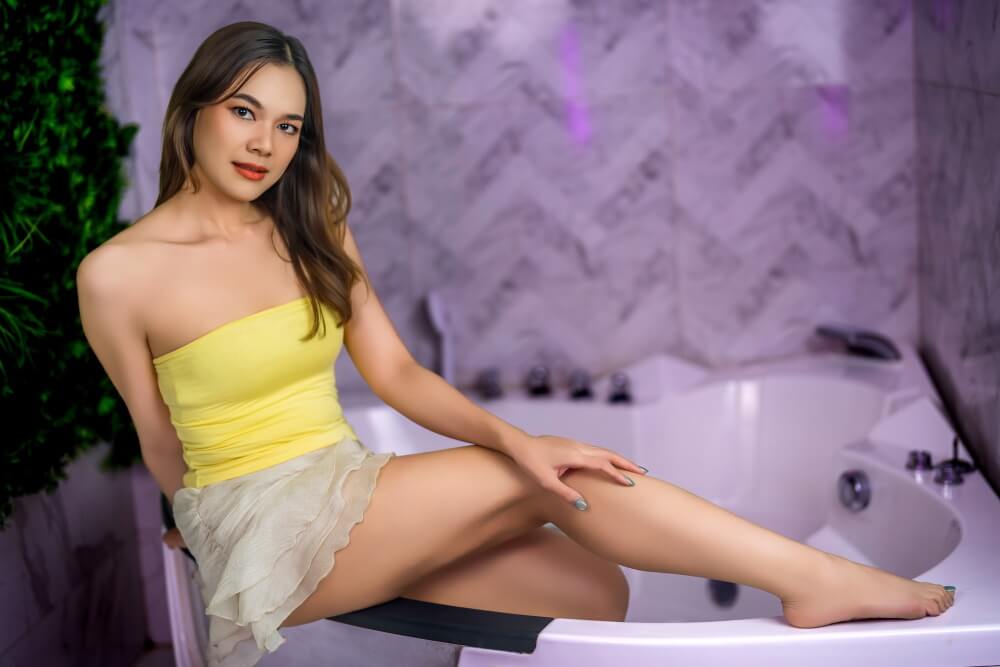
A soapy massage is a body-to-body massage performed with warm water and thick foam, where the therapist uses her own soaped body to glide over yours on a waterproof mattress. The name comes from the soap, and the format traces back to Japanese bathhouses and Thailand’s own bathe-steam-massage parlors. In Bangkok, the term always refers to an erotic massage, never a spa treatment.
Bangkok has a way of using ordinary words for not-so-ordinary things. “Soapy” is a perfect example. Read it on a sign along Sukhumvit and it sounds like a bath product, yet anyone who has spent time in the city knows the soapy massage meaning is something quite different.
The confusion is understandable. Search for the term and you will find spa menus, travel forums and vague hints, but rarely a clear explanation of what the word actually refers to, where it came from and why it stuck.
This article answers that question plainly. It explains what the term means, how a Japanese bathhouse tradition and a Thai one came together to create it, and what the word does and doesn’t cover when you see it in Bangkok today. By the end, you will know exactly what someone means when they say “soapy,” and whether it sounds like something you would enjoy.
What Does Soapy Massage Mean? The Short Answer
Soapy massage means a sensual, body-to-body massage built around warm water and soap foam. The therapist lathers both of you, then uses her own body to slide across yours, usually on an inflatable waterproof mattress. In Thailand, the term always describes an erotic massage at a dedicated parlor, not a spa scrub.
The name is literal. Soap foam is the medium that makes the whole thing work, in the same way oil defines an oil massage or gel defines nuru. The foam creates a slippery, warm layer between two bodies, allowing long, gliding movements that would be impossible on dry skin.
What makes it distinct is who does the work and how. In a traditional massage, the therapist uses her hands, elbows and sometimes feet. In a soapy massage, she uses the full length of her body, so the contact is constant and skin-to-skin from start to finish.
The word also carries a clear social meaning in Bangkok. Nobody uses it for a hotel spa treatment or a bath at home. When a local or long-stay visitor says “soapy,” they mean a specific kind of adult experience at a specific kind of venue.
That clarity is useful. Unlike vaguer labels such as “body massage” or “special massage,” which can mean different things from one shop to the next, soapy is one of the few terms that tells you almost exactly what kind of session to expect before you walk through the door.

Where the Name “Soapy Massage” Comes From
The term grew out of two bathhouse traditions, one Japanese and one Thai, which share the same core idea: a private bath where an attendant washes the guest with her own body. “Soapy” is simply the English shorthand that stuck once the style became popular with visitors.
The Japanese side of the story begins in the 1950s. Bathhouses offering a private bath with an attendant first appeared in Tokyo under the name “Turkish baths,” and they spread quickly through the country. After a Turkish student campaigned against the name in 1984, the industry renamed itself “soapland”, a term that is still used in Japan today.
The foam-and-mattress technique that defines these venues travelled across Asia. In Japan, the attendant traditionally works on an air mat with soap and warm water. That is almost exactly the setup you will find in a Bangkok soapy room, and it explains why the English names overlap so closely.
The English word “soapy” came later, once Thai parlors started marketing to foreign visitors. “Soapy massage” was easier to say and easier to understand than any Thai or Japanese term, so it became the standard label on signs, menus and websites across the city.
You will still hear both words used today. Japanese visitors and long-time Asia travelers sometimes say “soapland,” while most English-speaking guests simply say “soapy.” In Bangkok, they point to the same idea, adapted to Thai service culture and a distinctly Thai atmosphere.
Soapy Massage Meaning in Bangkok: The Thai Bathhouse Connection
In Thai, soapy parlors are known as ab ob nuad, which translates as “bathe, steam, massage.” The name describes the traditional sequence of the experience. It also explains why soapy venues in Bangkok are built around bathing rather than around a massage table.
The phrase is worth knowing because it shows how locals think about the service. Ab means to bathe, ob refers to steaming or sauna, and nuad means massage. Put together, they describe a full sequence of washing, warming and bodywork, a format that became an established part of Bangkok’s nightlife in the second half of the 20th century.
Over time, Bangkok developed two distinct styles of soapy venue. The large, old-school parlors along roads like Ratchadaphisek and New Phetchaburi became known for their scale and glamour. Smaller, more personal parlors grew up along Sukhumvit, focused on private rooms and a calmer, more attentive experience.
That history still shapes the city today. When people in Bangkok talk about soapy, they are referring to a well-established part of the local landscape, with its own customs and expectations. Our guide to why Sukhumvit became Bangkok’s erotic massage hotspot looks at the neighborhood side of that story in more detail.
What Soapy Massage Isn’t: Common Misreadings
Plenty of first-timers arrive with the wrong idea about soapy massage, usually because the word sounds so innocent. Clearing up a few common misreadings goes a long way toward knowing what to expect and choosing the right venue.
The first misreading is that it is a spa treatment. A soapy massage has nothing to do with a 전통 태국 마사지, which is clothed, therapeutic bodywork based on stretching and pressure points. Nor is it a body scrub or foam bath offered by a hotel spa. The context is always sensual, and a reputable venue will be clear about that from the start.
The second misreading is that “soapy” and “nuru” mean the same thing. Both are body-to-body styles, but they feel quite different. Soapy uses foam and water, so it tends to feel lighter and more playful, while nuru uses a dense seaweed-style gel for a slower, more intense glide. Our article on soapy vs nuru massage compares the two side by side.
The third misreading is that every venue using the word offers the same thing. A street-side shop with a hand-written “soapy” sign and an established parlor with dedicated wet rooms are not offering the same experience. The word describes a format, not a standard of quality, so it pays to check the room, the therapists and the price before you book.
The fourth misreading is that soapy massage is only for solo male guests. Many established parlors welcome couples, and the bath-centered format lends itself naturally to a shared session. If that interests you, our article on whether couples can enjoy erotic massages together in Bangkok explains how it usually works and what to ask before booking.
How the Meaning Shows Up in a Real Session
At a professional parlor, the meaning of soapy massage becomes clear the moment you step into the room. You will see a large bath or shower area, an inflatable waterproof mattress and plenty of foam, because the whole session is built around washing and body-to-body contact.
The session usually opens with a shared shower or bath, where your therapist washes you and you both relax into the warm water. She then works up a thick lather and moves to the mattress, using her body to glide across yours with slow, continuous movements. The pace is unhurried, and a skilled masseuse reads how you are responding and adjusts as she goes.
Sessions in Bangkok typically range from 40 minutes to two hours. Longer sessions allow more time for the bath and a slower rhythm, which many first-timers find makes a world of difference. Some parlors also offer sessions with two therapists for a more immersive experience.
If you want to see how this looks in practice, our page on Soapy massage at BKK Vice shows the rooms, session lengths and prices, starting from 2,000 THB.
결론
The soapy massage meaning is simpler than the name suggests. It is a sensual, body-to-body massage built around warm water and foam, shaped by Japanese bathhouse culture and Thailand’s own ab ob nuad tradition. In Bangkok, the word always points to an adult experience, never a spa treatment.
Knowing the meaning also helps you choose well. Because the term describes a format rather than a level of quality, the venue, the room and the therapist make all the difference. Look for a proper wet room, clear prices and a team that takes its craft seriously.
If you are ready to try it for yourself, Soapy massage at BKK Vice on Sukhumvit Soi 39 is open every day from 11am to midnight. Take a look at our team and choose the therapist who suits you.